
Why a Halifax winter is hard on a car
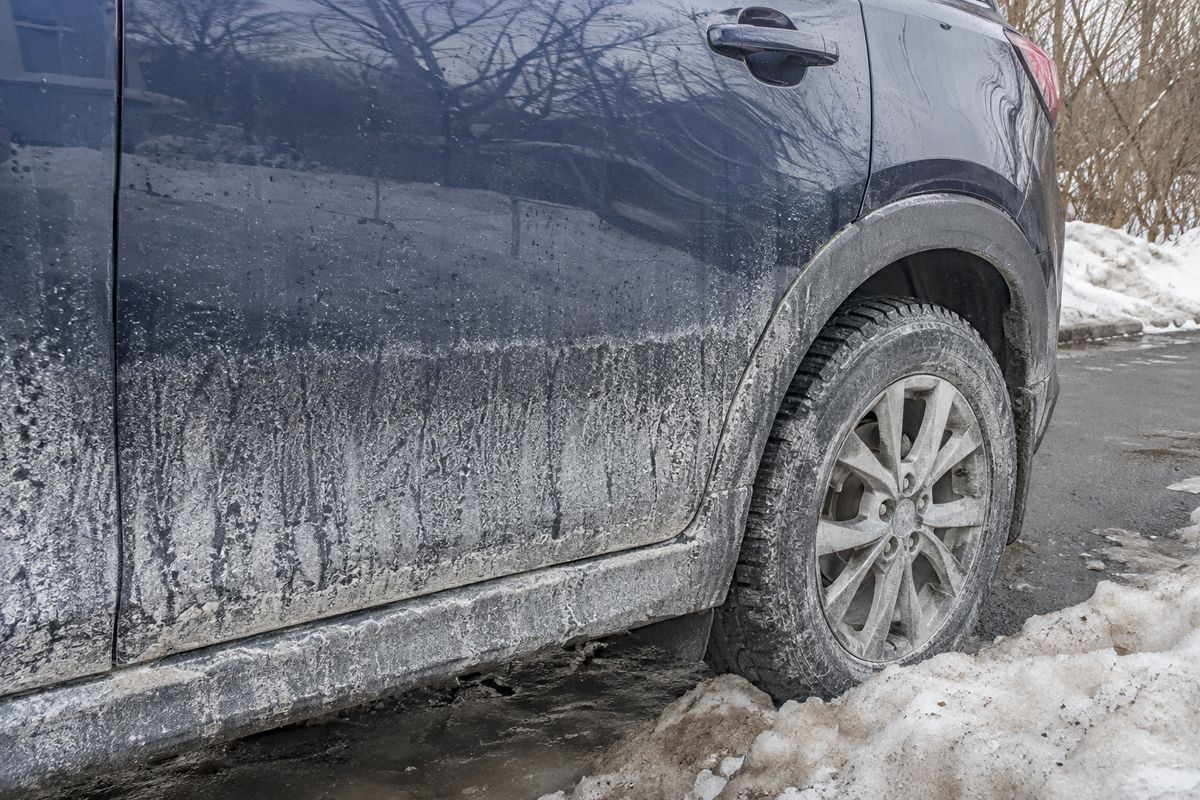
Halifax salts its roads from about November to April. Brine goes down before a storm and rock salt after it, and the city’s freeze and thaw weather means the roads rarely stay dry for long. Every thaw turns the salt into a wet spray that the tires throw up the lower doors, into the wheel arches and under the car.
Dry salt is mostly a white crust. Salt in water is what does the damage: it gets into seams and stone chips and speeds up rust on any bare metal. A coastal winter like ours keeps it wet far more often than a colder, drier place would.
How often: a plain schedule
| When | How often | Why |
|---|---|---|
| Storm and thaw weeks | Every week, on a dry day | Fresh brine sits wet in the seams |
| Quiet cold spells | Every two weeks | Dry salt does less, but it builds up |
| After a big storm | Within a few days, once the roads dry | The heaviest layer is on now |
| End of salt season | One thorough wash, top to bottom | A whole winter to clear off |
Wash on the first dry day after the salt trucks are done, not the day before the next storm. A wash that goes straight back under brine has done very little.
Is it bad to wash a car in winter?
No. Leaving the salt on is worse. The real risks are water freezing in the wrong places and washing right before more salt goes down, and both come down to timing:
- Pick a milder, dry day so the water doesn’t freeze on the paint, the locks or the mirrors.
- Dry the door seals, the trunk seal and the fuel door after the wash so they don’t freeze shut overnight.
- Open and close each door a couple of times before you walk away.
- Check the forecast first, and skip the wash if a storm is due tomorrow.
Where the salt hides on the outside
Most people wash what they can see: the hood, the roof and the windows. The salt is lower down.
- Lower doors and sills. The white line along the bottom of almost every Halifax car by January.
- Wheel arches. Packed slush and salt sit on the inner lip and stay wet.
- Behind the bumpers. Spray collects in the gaps and corners.
- The underside. The frame, brake lines and exhaust take the most salt and get washed the least.
- Door jambs. Open a door: there is salt on the step as well.
Between hand washes, a touchless car wash with an undercarriage spray is a fair way to rinse the underside. For the lower panels, the wheels and the jambs, a hand wash is far more thorough. The full how-to is on road salt on your car.
Don’t forget the inside
The outside is only half of it. Salt also comes in on your boots, dries white in the carpet and comes back as rings every time snow melts on it. That’s a separate job: salt stains in car carpet has the steps, and what road salt does to a car interior explains why the rings keep coming back.
The Halifax salt season, month by month
- October to early November. Before the first salt. Get the car clean and dry while it’s easy. See fall car detailing.
- December to February. The heavy months. Wash weekly in storm weeks, every two weeks otherwise. See winter car detailing in Halifax.
- March. Thaws and late storms. Keep up the washes, but hold the big clean.
- April. Usually the last salt. Time for the top to bottom wash and the salt out of the carpet. See spring car detailing.
If a storm just went through, car detailing after a snow storm covers what to do first.
When to hand it to us
If you’d rather not stand in a driveway in January with a bucket, our exterior car detailing is the Inside + Out package: the full interior, plus a hand wash that takes the salt off the lower panels, the wheels, the tires and the arches, at your door anywhere in Halifax. Outside work goes on a dry day, so book with an eye on the forecast and we’ll confirm by text.
Next step